
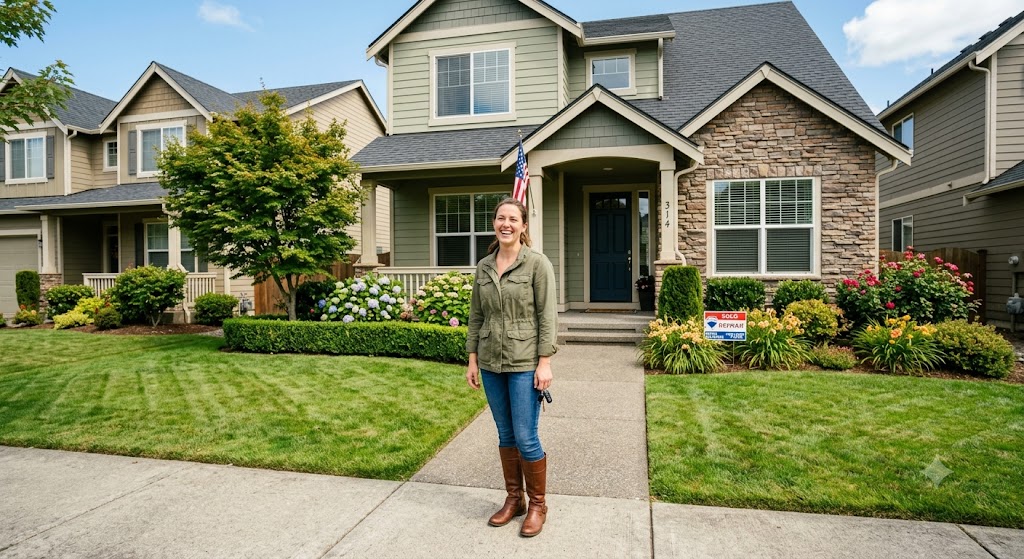
Avoid Costly Mistakes, Protect Your Investment, and Save Thousands


Buying your first home is one of life’s biggest milestones. After months of searching, inspections, paperwork, and finally closing on your dream home, it’s tempting to focus on unpacking and decorating.
But before you start hanging pictures or buying new furniture, there are several important tasks every first-time homeowner should complete immediately.
These simple projects can improve your home’s security, prevent expensive repairs, save money, and give you peace of mind for years to come.
Here are 10 things every first-time homeowner should do immediately.
1. Change Every Exterior Door Lock
The first thing you should do is secure your home.
Even if the previous owner handed you every key they had, there’s no way to know how many copies exist.
Replace or rekey:
- Front door
- Back door
- Garage entry door
- Basement door
- Side entrances
If your home already has smart locks, reset them to factory settings and create new access codes.
Why it matters
This inexpensive upgrade gives you complete control over who has access to your new home.
Suggested Images
- Homeowner replacing a deadbolt
- New smart lock installation
- Close-up of keys and lock cylinder
2. Locate Every Emergency Shut-Off


An emergency isn’t the time to figure out where everything is.
Locate:
- Main water shutoff
- Electrical breaker panel
- Gas shutoff
- Outdoor water spigots
Label everything clearly.
Consider keeping a shutoff wrench near your gas meter if your local utility recommends it.
Why it matters
Knowing these locations can prevent thousands of dollars in water damage or allow you to respond quickly during an emergency.
Suggested Images
- Water shutoff valve
- Circuit breaker panel
- Gas meter
3. Replace Smoke and Carbon Monoxide Detector Batteries
Never assume existing batteries are good.
Replace batteries or install new detectors if necessary.
Test:
- Smoke alarms
- Carbon monoxide detectors
- Combination units
Check expiration dates.
Many detectors should be replaced every 10 years.
Why it matters
Working alarms protect your family and could save lives.
Suggested Images
- Testing smoke detector
- Installing batteries
- Carbon monoxide detector
4. Create a Home Maintenance Binder
Organization today saves frustration tomorrow.
Include:
- Closing documents
- Appliance manuals
- Warranty information
- Paint colors
- Repair receipts
- Contractor contacts
- Utility account information
You can use either a physical binder or a cloud-based digital folder.
Why it matters
Having everything organized makes future repairs, insurance claims, and resale much easier.
Suggested Images
- Organized binder
- File folders
- Digital home records on tablet
5. Change HVAC Filters
One of the easiest maintenance tasks is also one of the most overlooked.
Install fresh filters immediately.
Write the installation date on the filter.
Replace them every 1–3 months depending on:
- Pets
- Allergies
- Filter type
- Household size
Why it matters
Clean filters improve airflow, reduce energy bills, and help your HVAC system last longer.
Suggested Images
- Dirty vs. clean air filter
- Furnace filter replacement
- HVAC return vent
6. Walk Around Your Home Inside and Out


Spend an hour inspecting everything.
Look for:
Inside
- Water leaks
- Loose outlets
- Missing caulk
- Running toilets
- Sticking windows
Outside
- Roof damage
- Gutters
- Downspouts
- Foundation cracks
- Drainage issues
Take photos of everything.
Why it matters
Finding small problems now prevents larger, more expensive repairs later.
Suggested Images
- Roof inspection
- Checking plumbing
- Foundation walk-around
7. Learn Your Utility Systems
Become familiar with:
- Electrical panel
- Water heater
- HVAC system
- Water softener
- Sump pump
- Irrigation controls
Read the owner’s manuals.
Know the age of each major system.
Why it matters
Understanding your home’s systems helps you troubleshoot problems before calling a contractor.
Suggested Images
- Water heater
- HVAC system
- Electrical panel
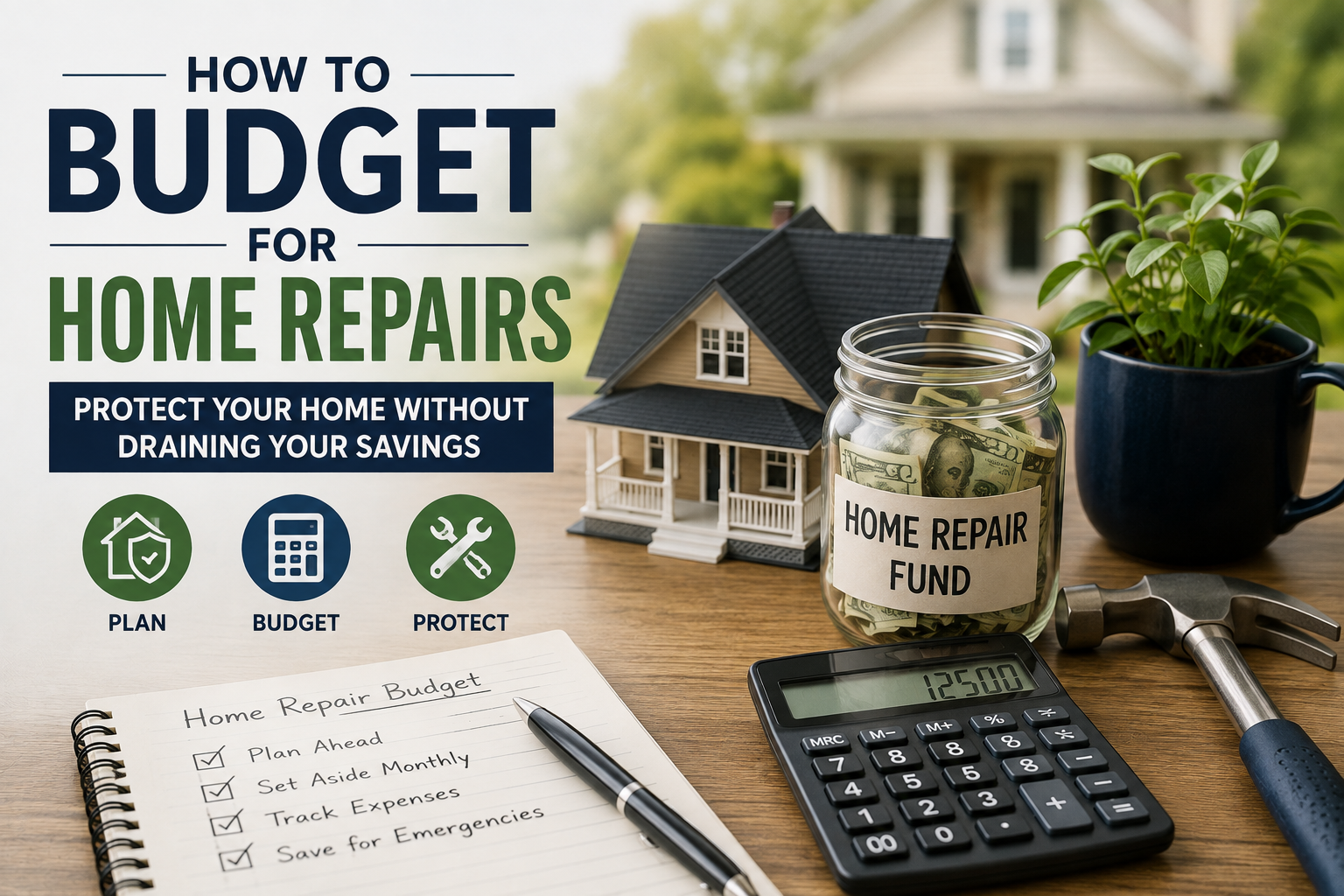
8. Start an Emergency Repair Fund
Even brand-new homes require maintenance.
Aim to save:
- $1,000 immediately
- Then gradually build toward 1–3% of your home’s value annually
This fund can cover unexpected repairs like:
- Water heater replacement
- Roof repairs
- HVAC breakdowns
- Plumbing emergencies
Why it matters
Unexpected repairs become inconveniences instead of financial disasters.
Suggested Images
- Savings jar
- Budget spreadsheet
- Emergency fund graphic
9. Create a Seasonal Maintenance Checklist
A little maintenance each season prevents expensive surprises.
Spring
- Clean gutters
- Service HVAC
- Inspect roof
Summer
- Pressure wash
- Check irrigation
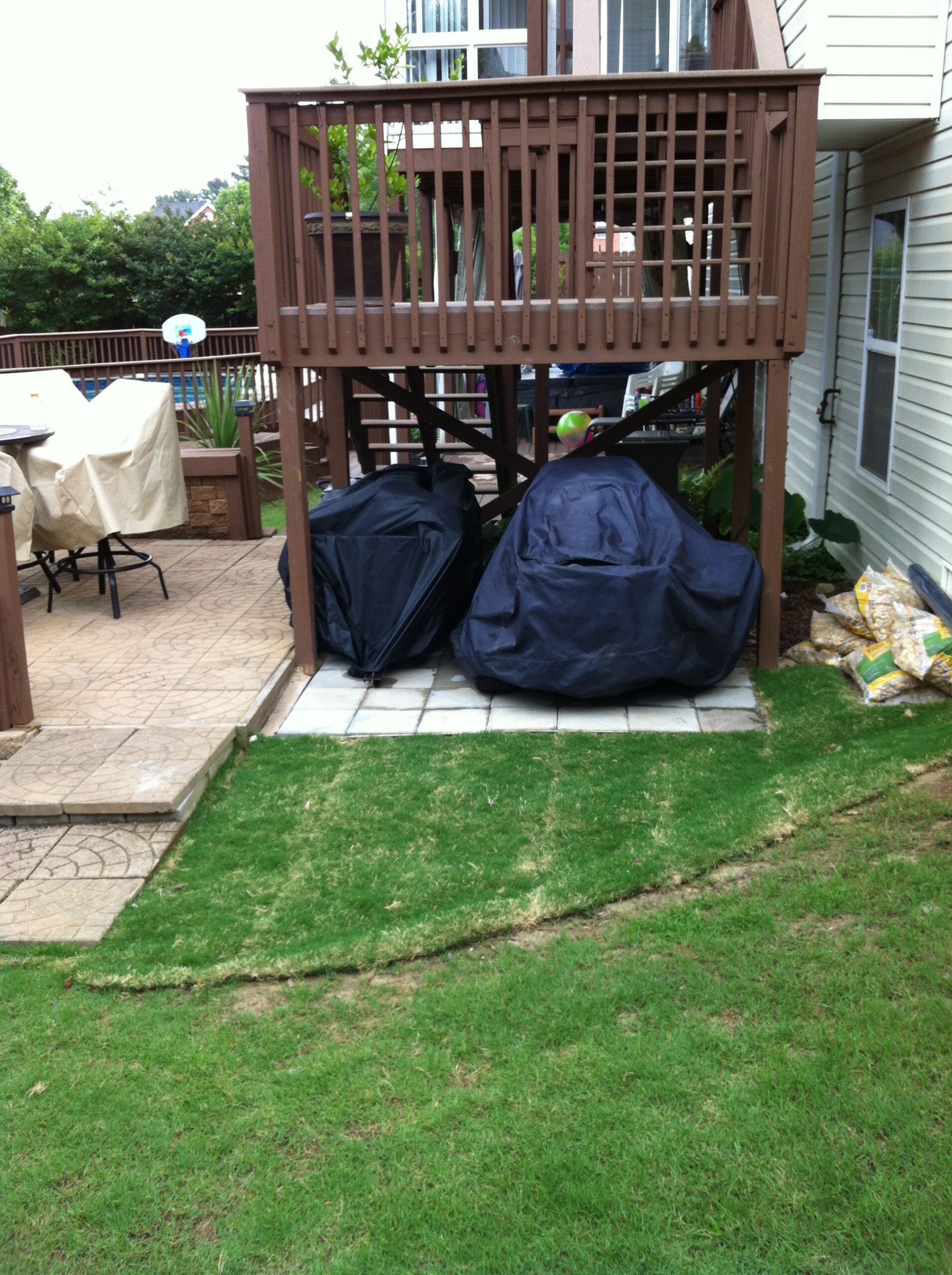
- Inspect deck
Fall
- Clean gutters again
- Winterize outdoor faucets
- Replace HVAC filter
Winter
- Check attic insulation
- Test detectors
- Watch for ice dams
Why it matters
Regular maintenance extends the life of your home’s major systems.
Suggested Images
- Seasonal calendar
- Home maintenance checklist
- Family completing chores
10. Prioritize Repairs Before Remodeling
It’s exciting to think about new kitchens and beautiful bathrooms.
But first, take care of:
- Roof
- Plumbing
- Electrical
- Foundation
- Drainage
- HVAC
Cosmetic upgrades can wait.
Protecting the structure should always come first.
Why it matters
A beautiful kitchen won’t matter if your roof leaks.
Suggested Images
- Roof repair
- Plumbing repair
- Before-and-after remodeling comparison
Bonus Tip: Meet Your Neighbors
One of the smartest things you can do has nothing to do with tools.
Introduce yourself.
Neighbors can:
- Recommend trustworthy contractors
- Watch your home while you’re away
- Alert you to neighborhood issues
- Share valuable local knowledge
Strong relationships make homeownership more enjoyable.
Final Thoughts
Owning your first home is exciting, but it also comes with new responsibilities. Completing these ten essential tasks right away will help you protect your investment, improve safety, and avoid many of the expensive mistakes that catch first-time homeowners by surprise.
Remember, homeownership isn’t about fixing everything at once—it’s about building good habits from day one. By taking these simple steps now, you’ll be setting yourself up for years of successful, stress-free homeownership.
Key Takeaways
- ✔ Secure your home by changing the locks.
- ✔ Learn where all emergency shutoffs are located.
- ✔ Test and replace smoke and carbon monoxide detector batteries.
- ✔ Organize important home documents.
- ✔ Replace HVAC filters.
- ✔ Perform a complete home inspection.
- ✔ Learn your home’s major systems.
- ✔ Build an emergency repair fund.
- ✔ Follow a seasonal maintenance schedule.
- ✔ Fix essential systems before starting cosmetic upgrades.
If you found these tips helpful, explore more DIY homeowner guides on Conley’s Home Improvement. Whether you’re learning basic maintenance, planning your next improvement project, or looking to save money with DIY solutions, you’ll find practical advice to help you become a more confident homeowner.



Leave a Reply