Home > Painting >Special finishes
Paint is such a versatile medium that it can be made to look like other materials: marble, stone, aged plaster, fabric, wood,
wallpaper, or even precious metals. The word faux (as in faux finish) is French for “falsc,” and it is often used to describe a paint nish that simulates something else.
The techniques aren’t necessarily new— some of them have
been around for hundreds, even thousands, of years. The Egyptians and Romans were masters of decorative painting.
Then, as now, people wanted to create the luxurious effect of more expensive surfaces.
Materials, of course, are another story. Recently developed latex paints, glazes, special tools to create texture, and a wealth of instructional books have now made it easy to try your hand at creating these special effects.
Professional finishers often suggest starting with a semigloss latex base coat; its slightly slick surface lets you manipulate the glaze coat more freely. Also, you can vary the glaze formula, but don’t just pour paint into glaze-always measure. Start with four parts glaze to one part paint; a little goes a long way, so don’t mix too much. If you run out before completing the job, you’ll get an exact match by using the same glaze/ paint formula.
The key is to practice, but not on the wall. Instead, paint white poster board or a scrap of drywall with the base coat, and then work with the glaze until you’ve mastered the specific technique.
A word of caution here: no matter how much you’d like to have help, everyone works with a slightly different arm pressure or technique, which will be readily apparent in the completed room.
In most cases, it’s best for one person to do the entire job.
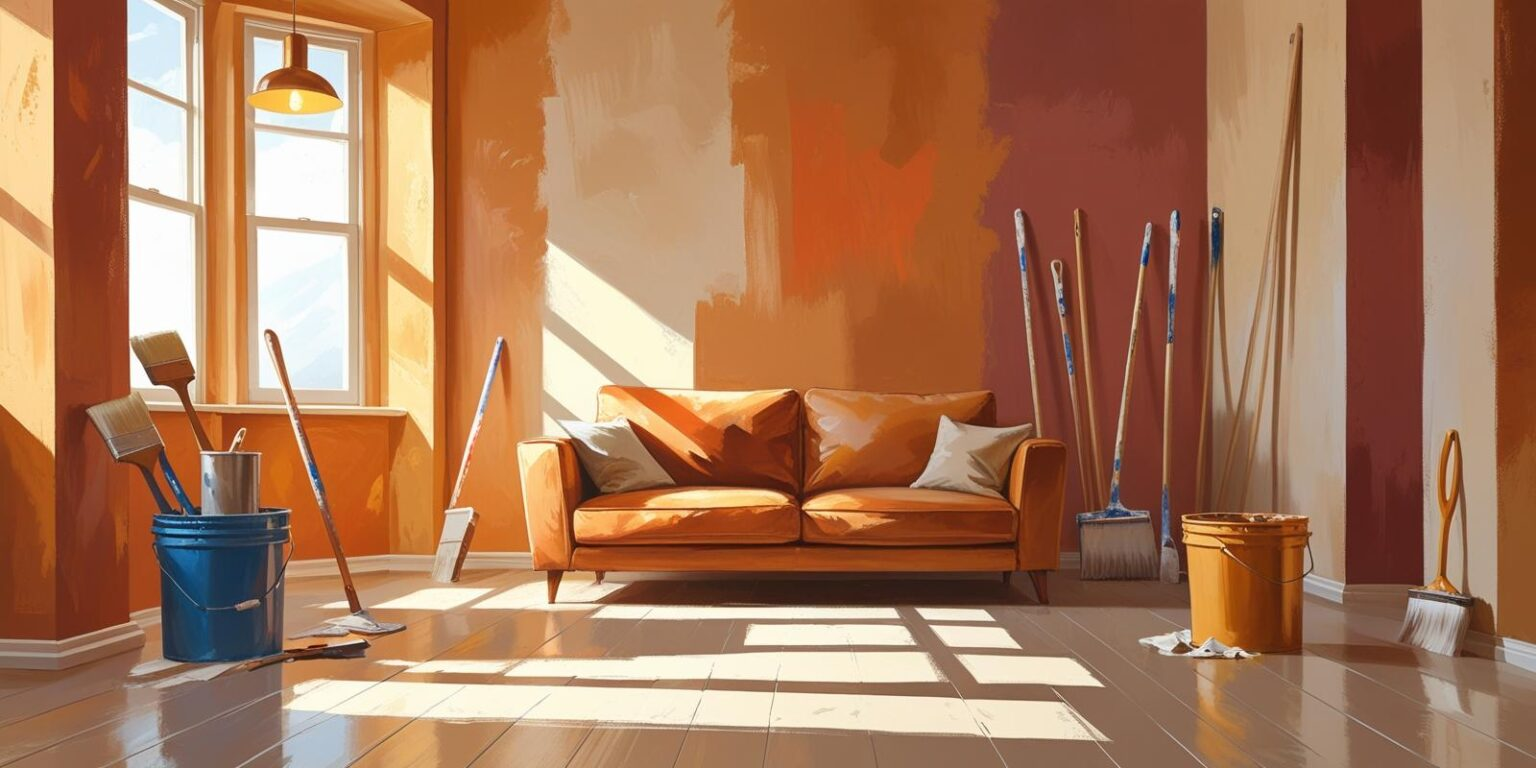
The gentle mottling of two or three colors results in walls that appear to have more depth than a solid color. You can use tone-on-tone colors for subtle effects, or gain more contrast by varying the colors.🔻

Specialty rollers make mottling two colors of paint on the wall much easier than doing it by hand, but there’s also somewhat less control. 🔻

The bristle length and flexibility of specialized brushes help create striated or stippled finishes by manipulating the glaze on a base coat of paint. 🔻

- Pavers Under the Stairs Project: How I Turned Wasted Space into a Functional Concrete Paver Parking Pad
- How to Budget for Home Repairs: Protect Your Home Without Draining Your Savings
- First-Year Home Maintenance: What Every New Homeowner Must Do Before It’s Too Late
- 10 Things Every First-Time Homeowner Should Do Immediately
- DIY Wooden Stairs & Step Platform for My Sister’s Manufactured Home