It’s Not Just About Money
If you’ve been around my channel or blog for a while, you already know—I’m a strong believer in doing things yourself when it makes sense.
I’ve been building, fixing, and improving homes for over 40 years… starting back in a 1970s shop class, through my time in the military, and into decades of hands-on projects at my own home.
But here’s the truth most people don’t talk about:
👉 DIY isn’t always cheaper.
👉 Hiring a pro isn’t always expensive.
The real cost goes deeper than just dollars.
Let’s break it down the right way.
1. The Upfront Cost: What You See on Paper
DIY Costs


When you go the DIY route, your upfront costs usually include:
- Materials (lumber, paint, hardware)
- Tools (especially if you don’t already own them)
- Safety gear
- Mistake buffer (and trust me—there’s always one)
💡 From experience:
That “$200 project” can easily turn into $350–$500 after extra trips to the store.
Hiring a Pro Costs


Hiring a contractor usually includes:
- Labor
- Materials (often marked up slightly)
- Experience and efficiency
- Warranty or guarantee
💡 You might pay 2x–5x more upfront, but you’re paying for speed and precision.
2. The Hidden Cost: Time (Your Most Valuable Asset)
DIY Time Investment
- Researching how to do it
- Buying materials (multiple trips)
- Doing the actual work
- Fixing mistakes


👉 A “weekend project” can turn into 2–3 weekends… or more.
Now ask yourself:
What is your time worth?
Hiring a Pro Time Advantage
- Project gets done faster
- Minimal disruption to your life
- No learning curve
💡 What takes you 20 hours…
A pro might finish in 6–8 hours.
3. The Skill Factor: Experience Has Value
DIY Learning Curve


Let’s be real—early DIY projects aren’t perfect.
- Crooked lines
- Uneven cuts
- Wasted material
But here’s the flip side:
👉 Every mistake builds skill.
And that’s something money can’t buy.
Professional Expertise


A pro brings:
- Years of experience
- Proven systems
- Clean, polished results
👉 You’re paying for what they already know, not just what they do.
4. The Risk Factor: What Happens If It Goes Wrong?
DIY Risk
- Incorrect installation
- Safety hazards
- Code violations
- Costly rework


💡 I’ve seen it happen:
Trying to save money ends up costing double to fix later.
Hiring a Pro Protection
- Licensed and insured work
- Work often backed by warranty
- Accountability
👉 If something fails, it’s not all on you.
5. The Long-Term Value: Investment vs Expense
DIY Long-Term Benefits


This is where DIY really shines—and it’s something I’ve lived firsthand.
Back in 2005, when I painted my garage with my two sons, it wasn’t just about saving money.
It was about:
- Teaching real-world skills
- Building confidence
- Creating memories that still matter today
👉 DIY builds more than projects—it builds people.
Hiring a Pro Long-Term Benefits
- Higher resale value (if done right)
- Professional finish
- Less stress
👉 Especially important for:
- Kitchens
- Bathrooms
- Structural work
6. So… Which One Should You Choose?
Here’s the honest answer:
👉 It depends on the project.
Choose DIY When:
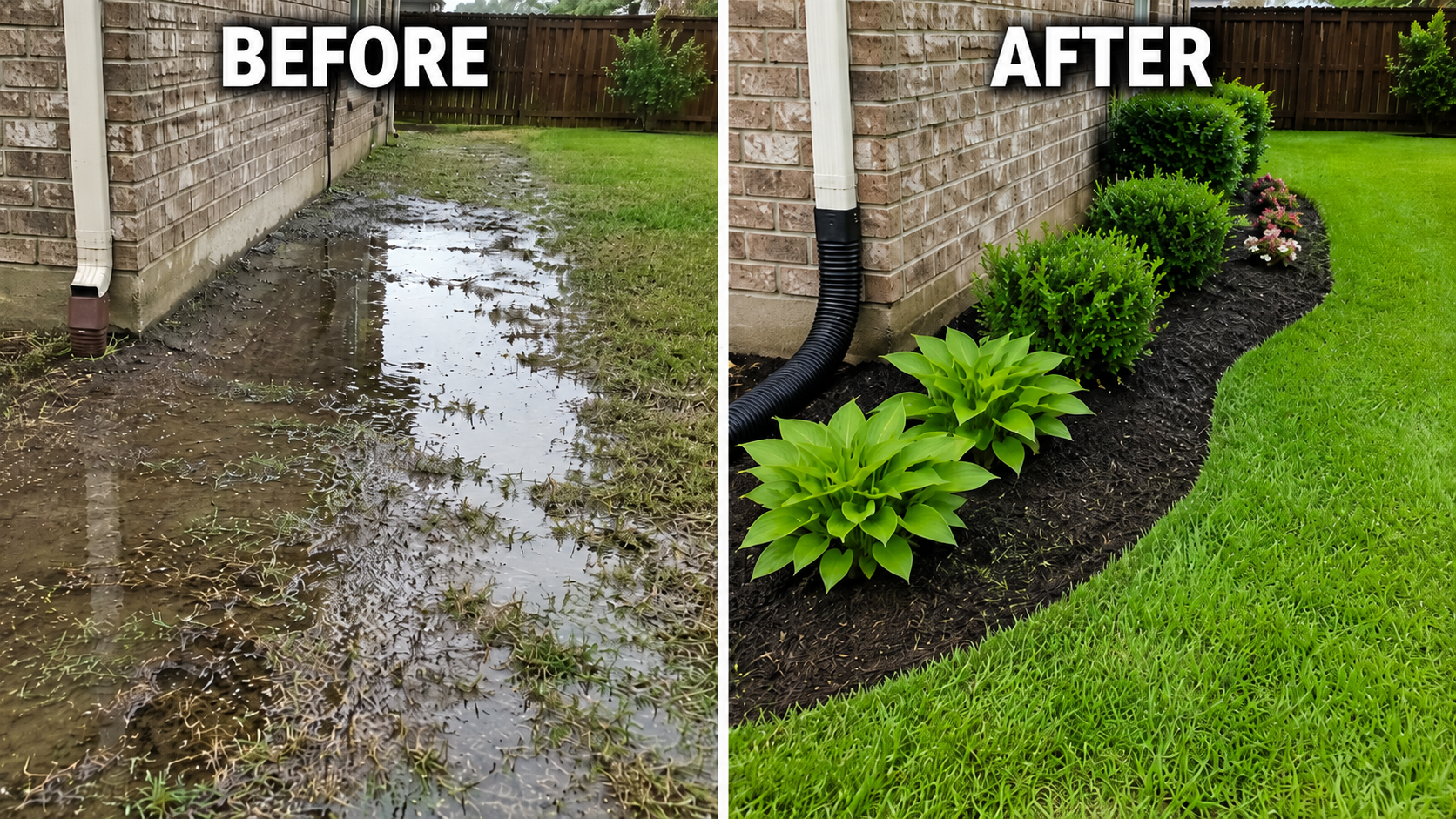
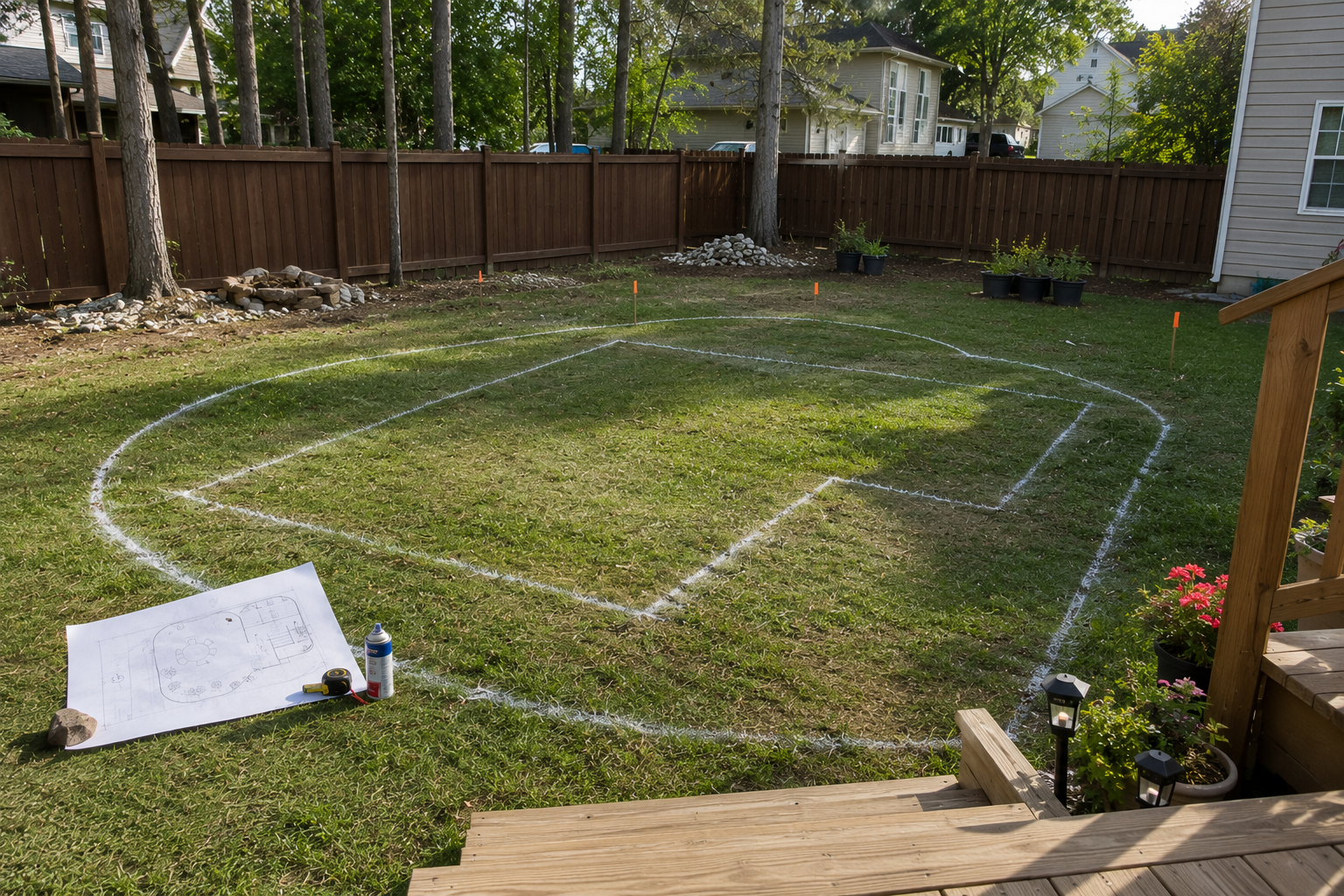
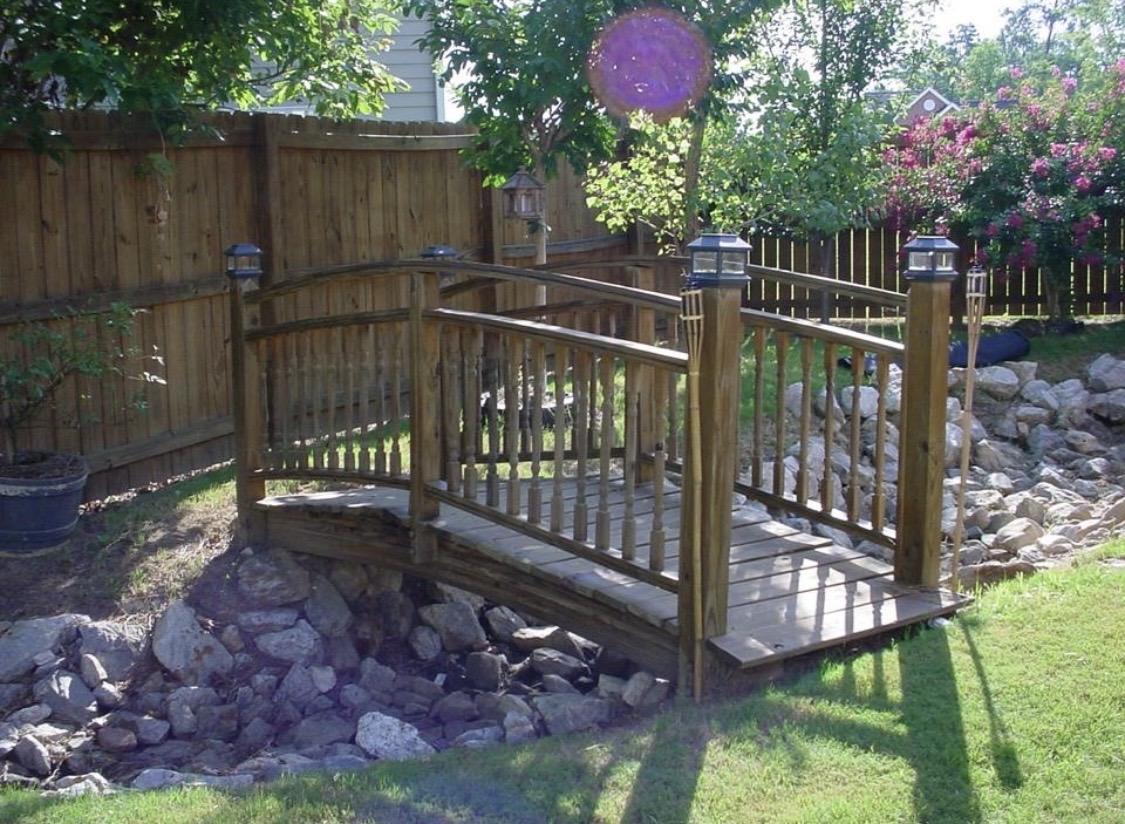
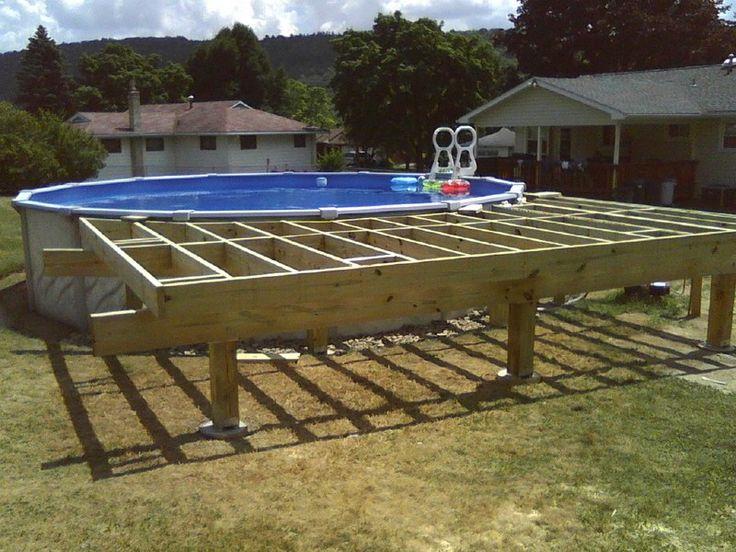
- It’s low-risk (painting, landscaping, simple builds)
- You want to learn
- You enjoy the process
- You have the time
Hire a Pro When:
- It involves electrical, plumbing, or structural work
- You’re on a tight timeline
- Precision matters (tile, cabinetry)
- Mistakes would be expensive
Final Thoughts: The Real Cost Isn’t Just Money
At Conley’s Home Improvement, I’ve always believed:
👉 The goal isn’t just to save money.
👉 The goal is to build smart, build safe, and build with purpose.
Because at the end of the day…
- DIY gives you skills, confidence, and pride
- Hiring a pro gives you speed, convenience, and peace of mind
The smartest homeowners?
💡 They know when to do both.
If you’re planning your next project, ask yourself:
👉 Am I trying to save money… or make the smartest investment?
And if you want help deciding, stick with Conley’s Home Improvement—
I’ll help you get it done the right way.